
Interior, exterior, and correction
Three scope paths. One clear brief.
Commercial interiors
Bring the interior surfaces, existing condition, color direction, occupied-area questions, and access limits to the estimate.
Commercial exteriors
Commercial exterior work can include masonry and storefront surfaces. Other materials are evaluated for the individual property.
Surface correction
Plaster, drywall, ceiling, and skim-coat questions can be discussed, then included only when the accepted scope supports them.
From brief to review
Make the operating constraints visible early.
A proposal should state what is being prepared and painted, what is excluded, who controls decisions, and which access or timing questions remain open.
Share the brief
Identify the decision-maker, surfaces, condition, and goal.
Clarify access
Note occupied areas, operating constraints, and site access.
Define the scope
Separate preparation, protection, painting, repairs, and exclusions.
Coordinate timing
Discuss sequencing, availability, and project communication for the accepted work.
Set the review
Agree how the completed scope will be reviewed.
Occupied and operating properties
Coordination is part of scope.
Share business hours, occupied zones, access limits, and decision points before work begins. Those details help shape sequencing, communication, and owner responsibilities around the way the property operates.
Commercial project work
Preparation to completed exterior.
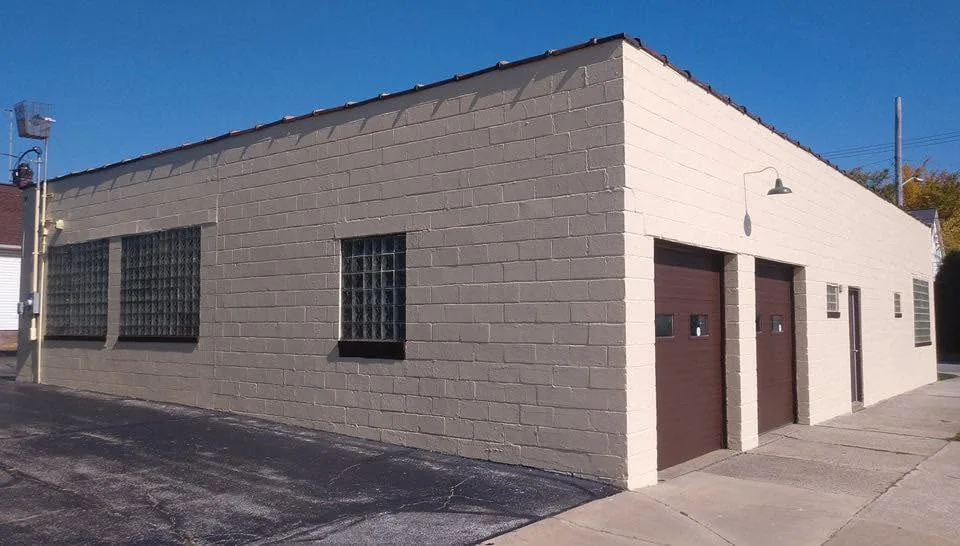
Matching architecture shows the same masonry building during preparation and after the exterior finish was completed.


Use the wider Allure Painting portfolioto compare residential, commercial, refinishing, repair, and staining work.
Commercial planning questions
Useful answers before the proposal.
Can painting be planned around an occupied or operating space?
Share occupied areas, business hours, access limits, and sensitive work zones during estimating. Those details help shape a realistic sequence around the accepted scope.
What information helps with a commercial estimate?
List the surfaces, current condition, desired result, decision process, access concerns, and timing questions. Photos or a scope document can make the first review more useful.
Can Allure work from brand colors or an existing color standard?
Provide the color reference or brand standard for review. Color-consultation guidance is available, while final color, finish, and material choices belong in the project scope.
Can surface repairs be included?
Plaster, drywall, ceiling, and skim-coat work can be discussed with the painting proposal. Whether a repair belongs in the scope depends on its condition and the needs of the property.
What site-access details should I share?
Note working-area access, occupied zones, exterior constraints, and any timing limits that affect review or planning. Project-specific arrangements should be confirmed before work is scheduled.
Is there a minimum or maximum commercial project size?
Send the property type, surfaces, approximate scope, access needs, and any helpful photos. Allure can then determine whether the project is a good fit and what the estimate should address.
Does this service include specialty industrial systems?
Allure's commercial service focuses on interior and exterior painting. Include any unusual coating, environment, or performance specification so it can be reviewed before the proposal is prepared.
Ready to define the work?